Everything a first job teaches you.
Before anyone gives you one.
Work through real engineering cycles with eleven AI engineers: assigned tasks, serious code review, feedback by chat or voice, and proof tied to your own repository.

Welcome in. Adaeze, EM. I'll mostly be the one keeping us aligned, and I'll be honest with you about where you are. Ping me anytime.

Hey. Maya, tech lead. If a piece of work is unclear or in flight, that's a me-question. We'll figure it out together.

Lars. Staff. I'm quiet most of the week. When I do chime in, it's usually because something will hurt us a year from now.
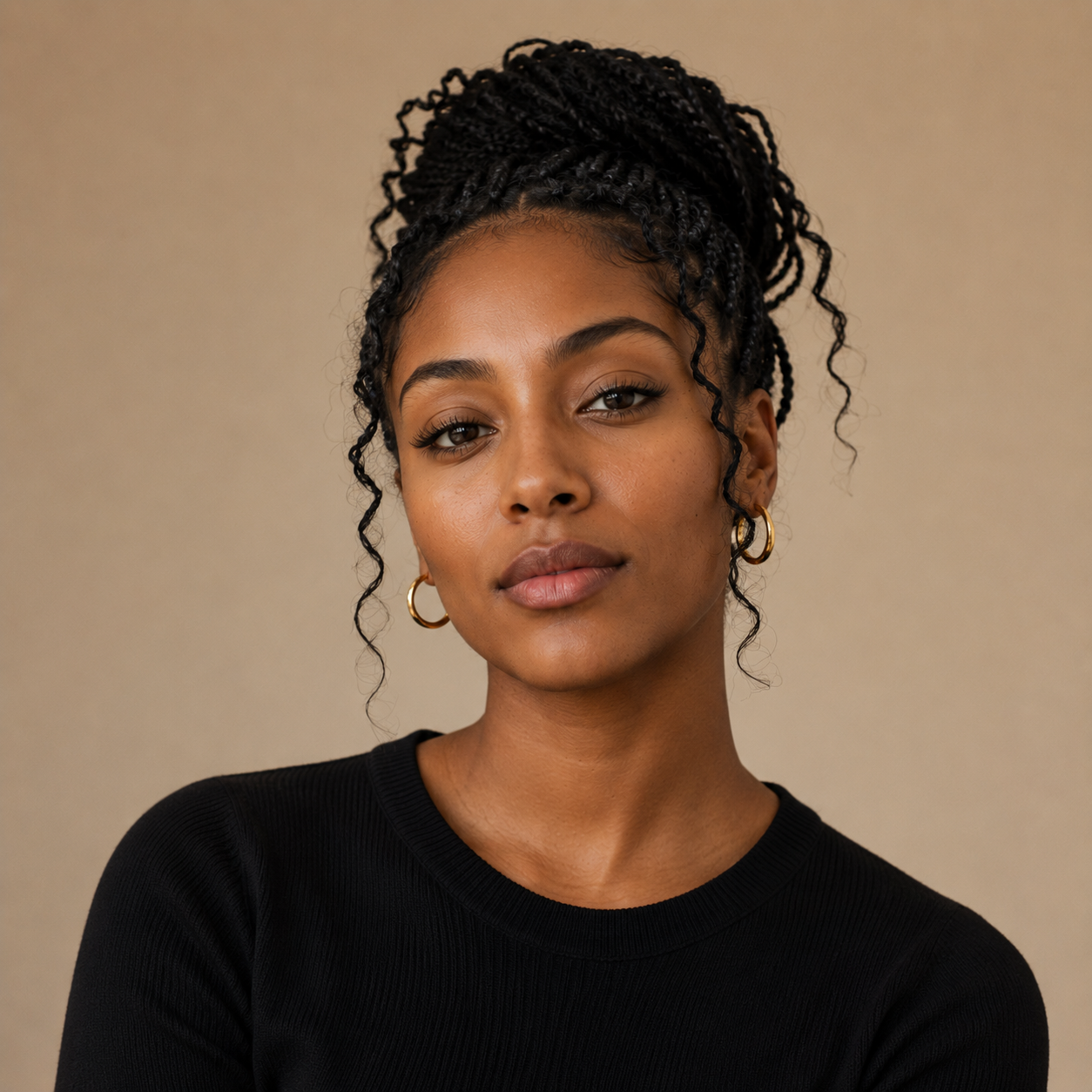
Naledi, PM. I'll keep asking who this is for. You'll get tired of it. Then you'll start asking it yourself, and we'll both be happier.

Mei, design. I'll be in your DMs about flows. Bring me sketches, even bad ones. Especially bad ones.

Tunde, backend. I'll be the one asking what happens when this fails. Don't take it personally. It's how I read systems.
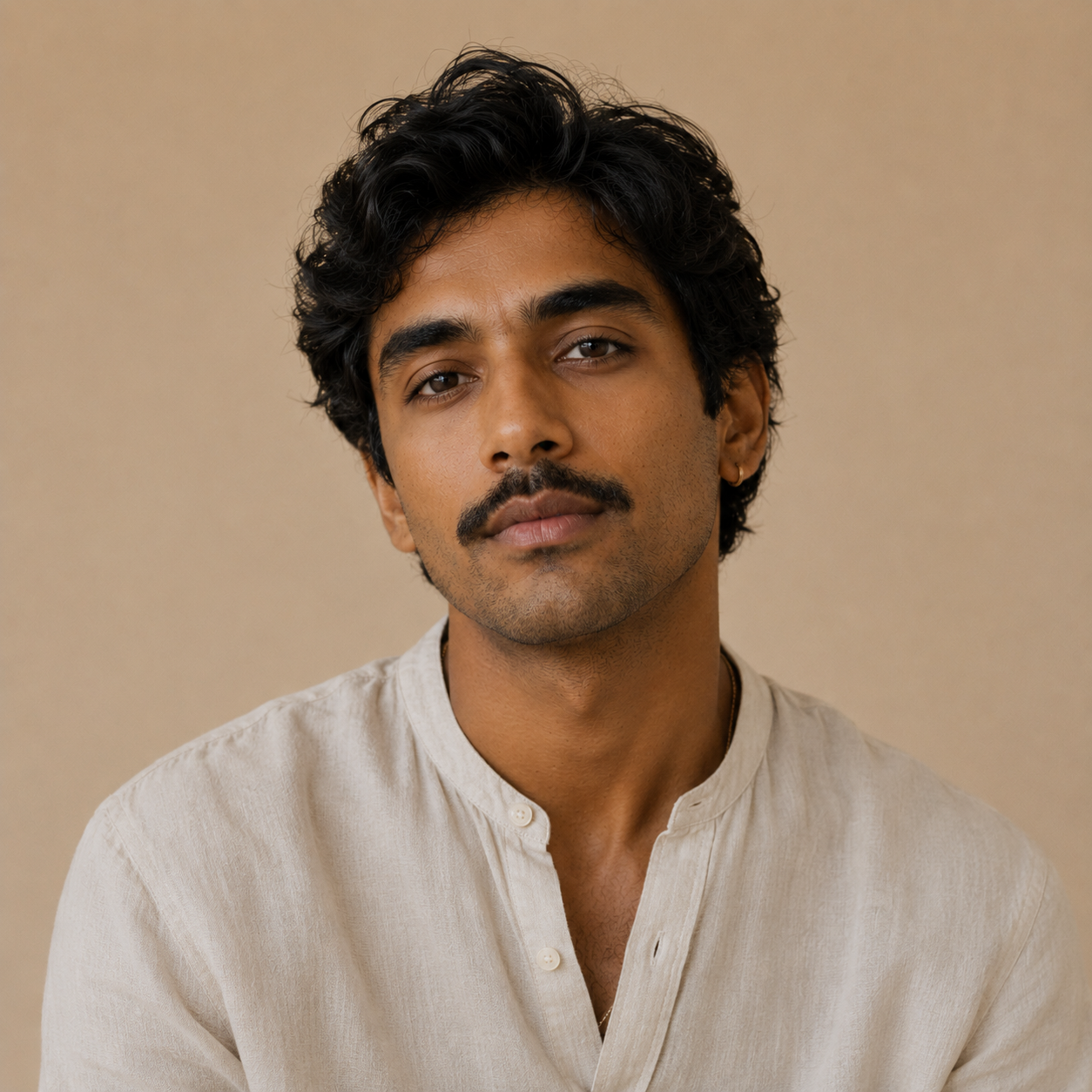
Ravi, frontend. I'll have opinions on what the user actually sees and clicks. Most of them are useful. Some are pedantic. You'll learn to tell which.

Rosa, data. Bring me schema changes before, not after. I'm patient with people who haven't done much SQL. Less patient with people who pretend they have.

Yusuf, platform. I care about how things ship and what wakes someone up at 3am. Ping me before the deploy, not after.

Aleks, security. I'll be the one asking who else can do this. Not because I distrust the team. Because the internet distrusts the team.

Farah, quality. I'll be the one asking what happens when the user does the thing we told them not to. Nothing personal.
Adaeze interviews you on day one, sets your level, and the team adjusts to it. Bring a repository or start from a template.
Click the seat to take itRun it for a whole cohort.
Your students go through the same apprenticeship, alongside your course rather than instead of it. Start with one intake, read the levels and the placement signal at the end of it, and decide from there.

Every student has a teammate who will explain the same concept at 1am for the fortieth time. Staff hours go to curriculum and judgement instead.
Seats by class, by term or by whole programme. No module to rewrite, no timetable to move, no staff to retrain.
One dashboard carrying every student’s level, their progress, and the work that earned it.
Each graduate leaves with a verified profile an employer can open, yours alongside ours.
Nothing in your programme changes. It runs alongside the course, or after it, as the step that used to come from a first job.
How partnerships workEverything it does.
Nine features, built to work as one thing rather than nine. Open any of them to see how it works and what it leaves behind.
See how it all fits togetherGood at what, exactly.
Nine you can train in, and three you take alongside whichever one you pick. The team, the tasks and the reviews all change to match it. Have a look at what each holds you to.
- Alongside your discipline
Frontend Engineering
What a frontend engineer is expected to understand: not to have read, but to be able to explain about their own work. Assumes you can already build things: this is the layer above that, weighted toward the decisions AI will not make for you.
Build components other engineers build against, not just screens
Make a slow interface fast, and prove it with numbers
Ship something usable on a bad connection and a screen reader